

Doula Talk Blog & Podcast
Welcome. This is a space for thoughtful guidance, honest conversations, and practical insight for the postpartum period and first year.
Here you’ll find blog posts and podcast episodes that help you make sense of sleep, feeding, recovery, and the emotional load of early parenthood. My goal is not to give you more rules to follow, but to help you understand what’s happening beneath the surface so you can respond with clarity and confidence.
Whether you’re navigating sleep disruptions, feeding challenges, or simply trying to feel more steady in your role as a parent, these resources offer evidence-informed perspective, real-world context, and support you can return to whenever you need it.
You don’t have to figure it all out alone.
Search the Blog:
Have a question or topic you’d like me to cover on my blog or podcast?

Building Confidence in Baby Sleep: How to Make Baby Sleep Decisions Without Spiraling
If you've spent any time Googling baby sleep at 2 a.m., you already know the problem isn't a lack of information. It's too much of it, and none of it agrees.
One account says feed your baby to sleep. Another says never feed your baby to sleep. Someone says contact naps are biologically normal and beautiful. Someone else says they're creating bad habits you'll regret. One expert says sleep train immediately, and another makes it sound like a few minutes of fussing will require years of therapy.
Meanwhile, you're holding your phone six inches from your face at 2:14 a.m., praying your baby doesn't wake up again, wondering: Is my baby broken? Did I create this? Am I ruining sleep forever?
Here's what I want you to hear first: you're probably not doing nearly as badly as you think. Most of the exhausted, overwhelmed parents I work with haven't caused their baby's sleep challenges. They're just trying to make sense of conflicting information while caring for a baby who keeps changing on them.
Regulation Over Routines: Why Your Baby Doesn’t Need a Perfect Schedule
A mom told me recently that she spent three hours trying to decide between a two-hour-and-fifteen-minute wake window and a two-hour-and-thirty-minute one. By the end of the day, she was crying in the nursery because she couldn't tell if she was making everything worse.
That story broke my heart, not because she was doing anything wrong, but because she'd reached a point so many parents reach. She wasn't asking for a schedule anymore. She wanted someone to tell her she wasn't failing.
If that's you right now, I want you to hear this: after almost twenty years of supporting families, here's what I know. A schedule can support sleep. A schedule cannot create it, and you cannot force your baby to sleep. Before we ever talk about routines, we have to talk about regulation. That's the foundation everything else sits on.
Why Families Wait Too Long to Ask for Help (And What Support Actually Looks Like)
There’s something I hear from parents all the time: “I probably should have reached out sooner.”
Usually, they say it after we’ve spent some time talking through what’s happening with their baby. Maybe sleep has suddenly fallen apart. Maybe feeding feels confusing. Maybe they’re preparing to return to work. Or maybe nothing is terribly wrong, but every day feels harder than it needs to.
And almost every time, I tell them the same thing: I’m just glad you’re here now.
Because somewhere along the way, we created this idea that parents should be able to figure everything out on their own.
But you don’t have to be drowning before you deserve a life jacket.
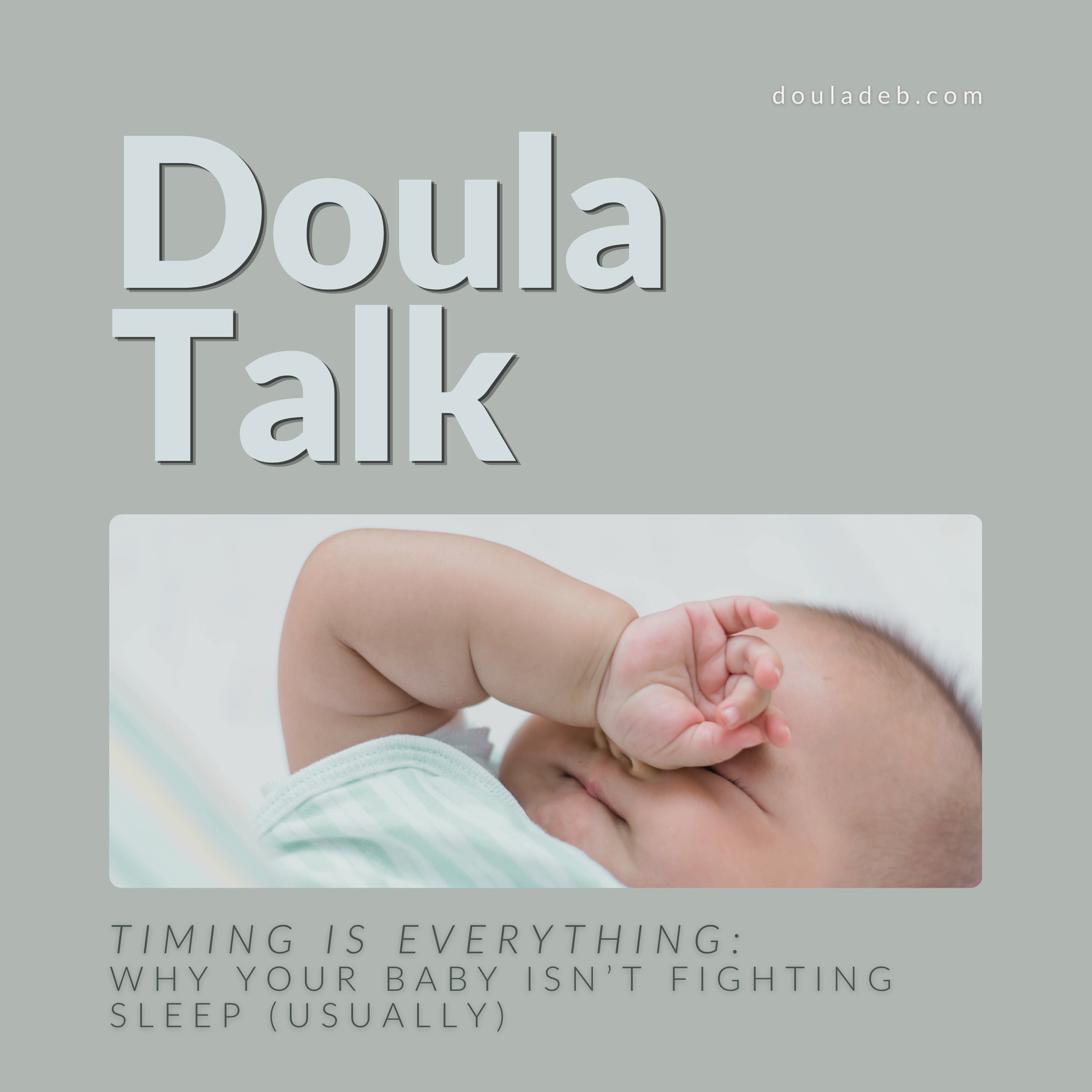
Timing Is Everything: Why Your Baby Isn’t Fighting Sleep (Usually)
You’ve changed the diaper. Your baby has been fed. The room is dark. The sound machine is on. You’ve rocked, bounced, walked, shushed, and probably questioned every decision you’ve made since breakfast.
Your baby looks exhausted.
But they. Will. Not. Sleep.
If this sounds familiar, you may have found yourself Googling “Why is my baby fighting sleep?” while simultaneously trying to convince a very unhappy baby that sleep is, in fact, a wonderful thing.
But here’s something I want more parents to know:
Your baby probably isn’t fighting sleep. They’re communicating something.
And figuring out what they’re communicating can be much more helpful than immediately changing your entire routine or assuming you need sleep training.
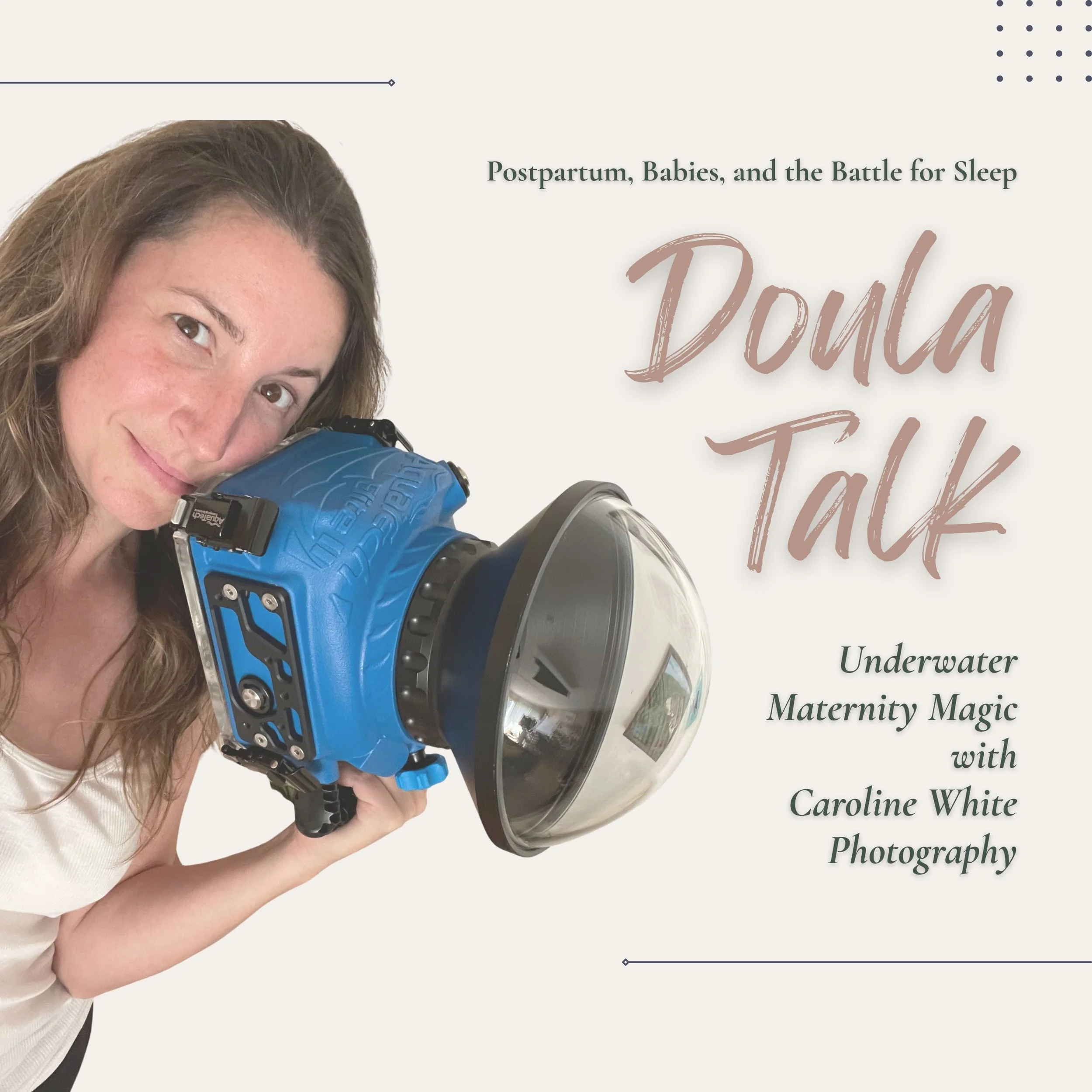
Learning to See Yourself Differently: Pregnancy, Body Image, and the Sacred Transition into Motherhood (Guest: Caroline White)
Pregnancy has a way of changing everything.
Yes, your body changes. Your routines change. Your relationships shift. But perhaps the biggest transformation isn’t one you can see from the outside at all.
You’re becoming a mother.
That transition is beautiful, exciting, overwhelming, and sometimes surprisingly complicated. Many parents tell me they expected the physical changes of pregnancy, but they didn’t expect how much their relationship with their own body would change along the way.
On a recent podcast episode, I had the privilege of speaking with underwater maternity photographer Caroline White about the deeper meaning behind her incredible work. What started as a conversation about maternity photography quickly became something much bigger: a discussion about body image, self-compassion, and learning to honor the incredible work our bodies are doing.
It’s a conversation I think every expecting parent deserves to hear.
The Missing Village: Why Parenthood Feels Harder Than It Should
When I ask new parents how they’re doing, I often hear the same answer:
“We’re surviving.”
Sometimes it’s said with a laugh. Sometimes it’s followed by tears. But almost every family I work with has some version of the same feeling: “Why does this feel so much harder than I expected?”
If you’ve ever wondered that yourself, I want you to know something important:
You’re not doing anything wrong. You’re trying to parent without the village humans were meant to have.

The Overloaded Brain: Why Parenthood Feels Like Decision Fatigue on Steroids (And What to Do About It)
You know the moment.
You’re standing in the kitchen holding a bottle, a pump part, your phone, and a cold cup of coffee. You walked in there for a reason, but now you can’t remember what it was. The baby finally fell asleep, you should probably eat something, someone texts asking how you’re doing, and suddenly your partner says:
“What do you want for dinner?”
And for reasons you cannot explain, you feel irrationally angry.
If this sounds familiar, first: hi, welcome to postpartum.
Second: no, you are not failing.
And third: your brain is probably overloaded.
One of the biggest misconceptions about new parenthood is that because we have more information than ever before, parenting should feel easier. But for many families, especially in the postpartum period, the exact opposite happens.
Instead of feeling supported, we feel buried under information, opinions, tracking apps, and endless decisions.
If you’re struggling with postpartum brain fog, postpartum overwhelm, or decision fatigue in parenthood, there is a reason for that, and it has a lot less to do with your capability than you think.
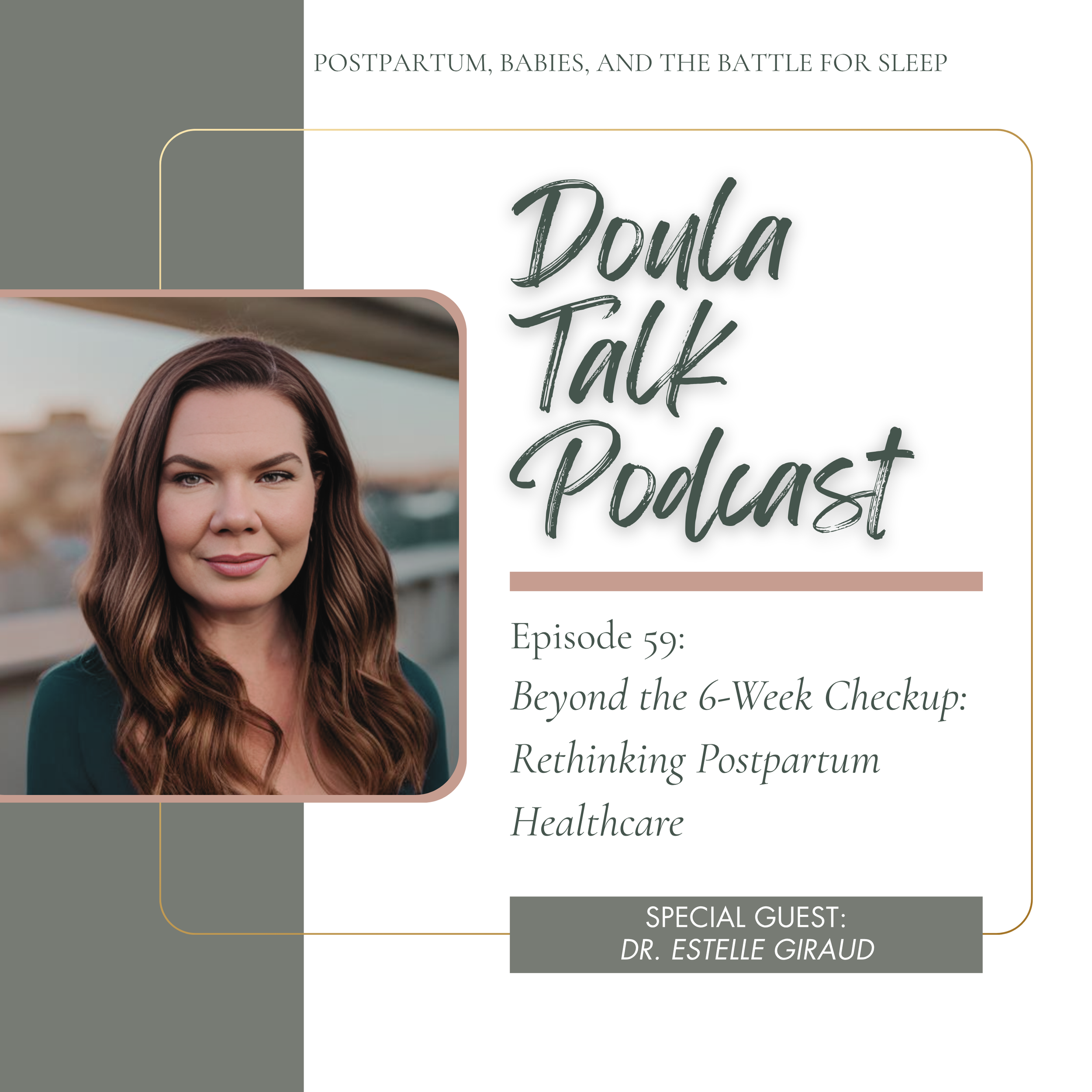
Beyond the 6-Week Checkup: Why Postpartum Healthcare Needs a Massive Rethink
If you’ve ever walked out of your six-week postpartum appointment thinking, Wait… that’s it?, you are absolutely not alone.
For many families in the perinatal period, postpartum care feels shockingly incomplete. You grow an entire human, give birth, survive sleep deprivation, hormone shifts, recovery, feeding challenges, and a complete identity transformation… and then the healthcare system basically says, “Okay, good luck out there!”
Maybe they check your bleeding. Maybe they ask if you’re crying too much. Maybe they clear you for exercise and sex.
Meanwhile, you’re sitting there with brain fog, exhaustion, anxiety, inflammation, nutrient depletion, pelvic floor symptoms, mood swings, and a nervous system hanging on by a thread wondering if this is all just “normal motherhood.”
Here’s the thing: common does not automatically mean healthy.
And postpartum women deserve better healthcare than a rushed mood-and-wound check.