

Doula Talk Blog & Podcast
Welcome. This is a space for thoughtful guidance, honest conversations, and practical insight for the postpartum period and first year.
Here you’ll find blog posts and podcast episodes that help you make sense of sleep, feeding, recovery, and the emotional load of early parenthood. My goal is not to give you more rules to follow, but to help you understand what’s happening beneath the surface so you can respond with clarity and confidence.
Whether you’re navigating sleep disruptions, feeding challenges, or simply trying to feel more steady in your role as a parent, these resources offer evidence-informed perspective, real-world context, and support you can return to whenever you need it.
You don’t have to figure it all out alone.
Search the Blog:
Have a question or topic you’d like me to cover on my blog or podcast?
Beyond the 6-Week Checkup: Why Postpartum Healthcare Needs a Massive Rethink
If you’ve ever walked out of your six-week postpartum appointment thinking, Wait… that’s it?, you are absolutely not alone.
For many families in the perinatal period, postpartum care feels shockingly incomplete. You grow an entire human, give birth, survive sleep deprivation, hormone shifts, recovery, feeding challenges, and a complete identity transformation… and then the healthcare system basically says, “Okay, good luck out there!”
Maybe they check your bleeding. Maybe they ask if you’re crying too much. Maybe they clear you for exercise and sex.
Meanwhile, you’re sitting there with brain fog, exhaustion, anxiety, inflammation, nutrient depletion, pelvic floor symptoms, mood swings, and a nervous system hanging on by a thread wondering if this is all just “normal motherhood.”
Here’s the thing: common does not automatically mean healthy.
And postpartum women deserve better healthcare than a rushed mood-and-wound check.
When Feeding Feels Hard: What Actually Helps (and What Quietly Makes It Worse)
Feeding a baby is often described as something that should feel natural and instinctive. But for many families, feeding can quickly become one of the most stressful parts of the day.
Maybe your baby feeds constantly but still seems unsettled.
Maybe every feed feels like a guessing game.
Maybe you’ve tried adjusting wake windows, spacing feeds, or following a schedule, and nothing seems to make things easier.
If feeding feels harder than you expected, you’re not alone. Many families reach a point where they realize they’re trying everything they’ve been told to do, yet the system still feels tense, exhausting, or confusing.
The good news is that feeding challenges are often less about doing the wrong things and more about doing things before the system is ready.
Understanding how feeding rhythms actually develop can take a huge amount of pressure off both parents and babies.
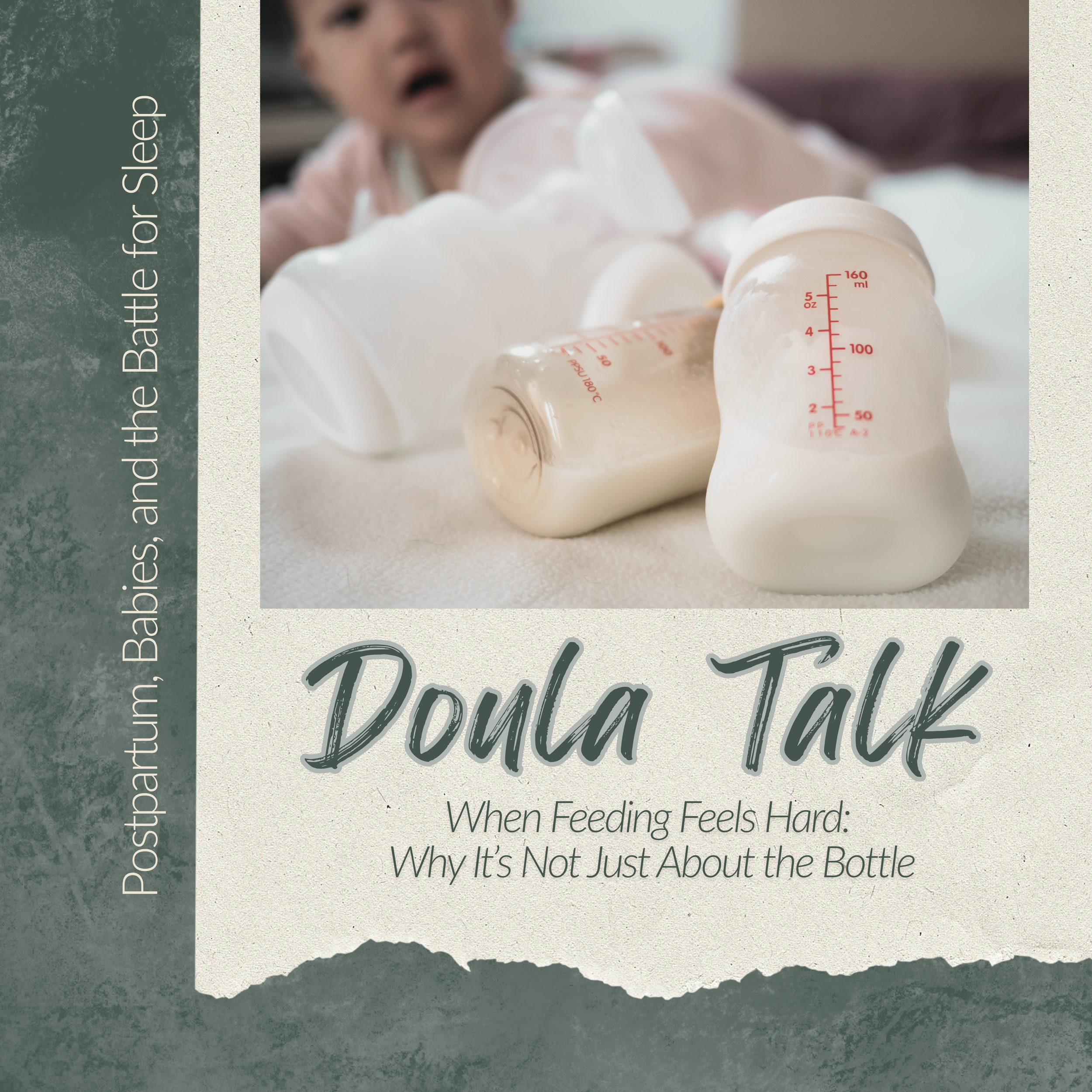
When Feeding Feels Hard: Why It’s Not Just About the Bottle
If feeding your baby feels harder than you expected, you are not alone.
For many parents, feeding starts as something neutral or even grounding. Then suddenly it feels charged. Every feed comes with tension. You find yourself bracing your shoulders, holding your breath, watching the clock, or panicking when your baby cries, arches, or refuses again.
And almost inevitably, the questions start.
Is it reflux?
Is it the bottle?
Is it the formula?
Is it my fault?
Here is what I want you to hear clearly.
When feeding feels hard, it is rarely just about the bottle.
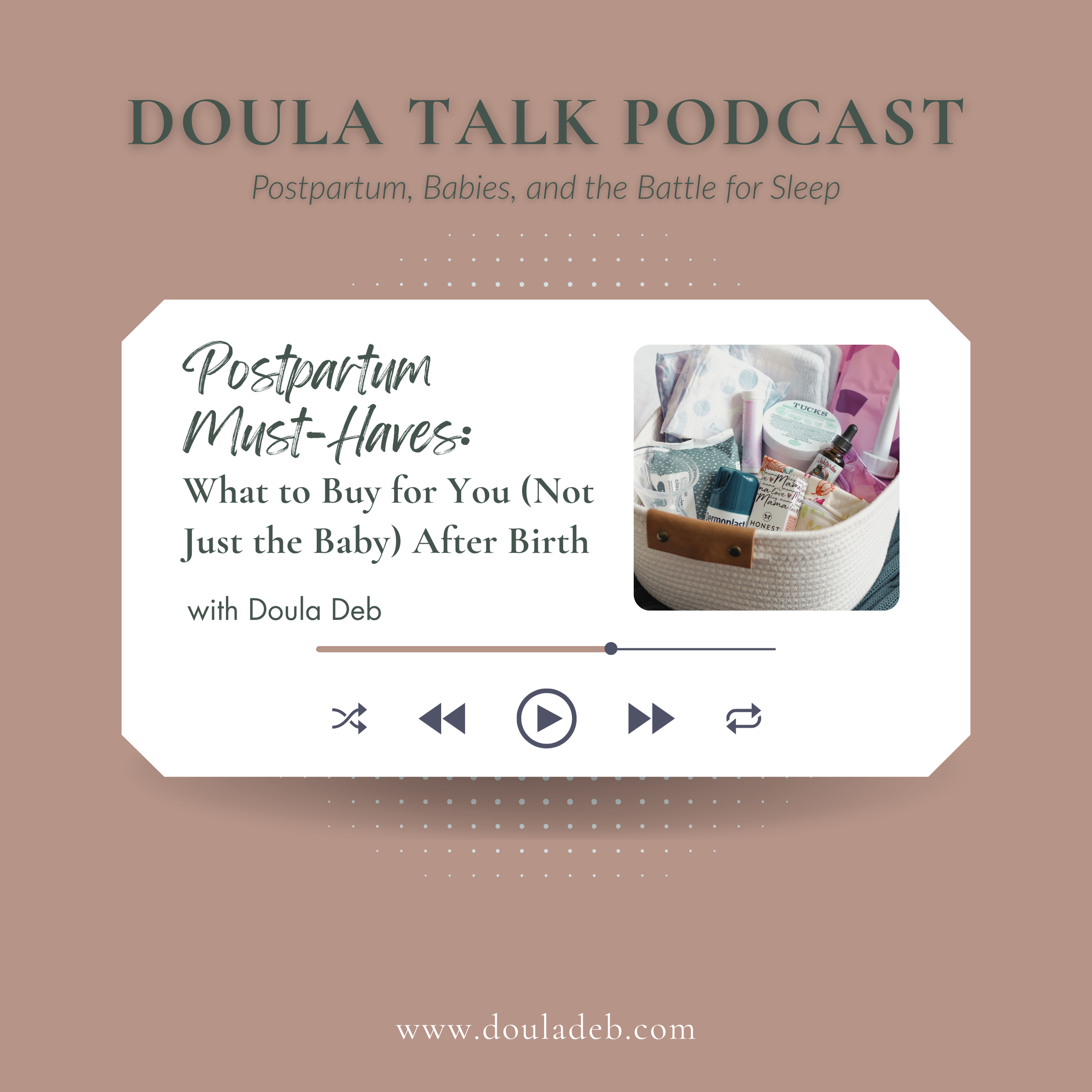
Postpartum Must-Haves: What to Buy for You (Not Just the Baby) After Birth
When we’re preparing for a new baby, it’s so easy to get caught up in the adorable chaos—folding tiny onesies, comparing stroller reviews, and wondering which swaddle will be your baby’s favorite. But here’s what often gets left out of the conversation: you are about to go through a major transformation.
Movement, Mindset, and Magic: How the Body Ready Birth Workshop Transforms Birth Preparation (Guest: Adrianne Buyer)
Pregnancy and birth are some of the most transformative experiences in a person’s life. They’re also often filled with a lot of unknowns—how will labor start, how will your body handle it, how can you best support your baby’s journey into the world? If you’re feeling overwhelmed by all the what-ifs, you’re not alone.

What You’re Really Paying For When You Hire a Sleep Doula
Grab your favorite mug (bonus points if it’s reheated coffee number three), because we’re about to pull back the curtain on what really goes into working with a sleep doula—and why it might feel like a big investment.
Spoiler alert: it’s because you’re getting way more than just a few tips about naps and a “good luck” email.

Monthly Doula Check-Ins: Real Support for Real Life in the First Year
Let’s be real: the first year with a baby is beautiful… and bonkers. One moment you’re soaking up sleepy snuggles, and the next you’re googling “why won’t my baby nap longer than 20 minutes?” at 2 a.m. It’s a lot. And that’s where monthly doula calls come in—offering practical advice, emotional support, and the comforting reminder that you’re not doing this alone.

Pelvic Floor Truths Every Pregnant Person Should Know (But Probably Wasn’t Told)
When you’re preparing for birth, you’re usually told to make a birth plan, pack a hospital bag, and maybe—maybe—do some kegels. But what if I told you that your pelvic floor deserves way more attention than that checklist gives it?
Today, we’re diving deep (and I mean pelvic bowl deep) into why your pelvic floor is one of the most important—and most misunderstood—parts of your pregnancy and postpartum journey. Whether you’re pregnant with your first baby or you’ve done this dance before, this post is here to educate, empower, and lovingly blow your mind.