

The Taboo Conversation: Cannabis, Women’s Health, and Making Informed Choices (Guest: Dr. Amanda Reiman, Founder Personal Plants)
Listen to the Podcast!
If you’ve used cannabis before pregnancy, you’re not alone. This is especially common in states where it's legally available.
For many people, cannabis is already part of their life before pregnancy, whether that’s for sleep, anxiety, chronic pain, or simply as a way to unwind at the end of the day.
And then pregnancy happens.
Or postpartum hits.
And suddenly, something that once felt normal or supportive becomes confusing, stigmatized, or even scary to talk about.
The messaging tends to shift quickly into black-and-white: Just stop. Don’t use anything. Don’t ask questions.
But real life is rarely that simple.
So instead of shutting the conversation down, what if we approached it differently?
What if we looked at cannabis use during the perinatal period through a harm reduction lens, one that prioritizes safety, informed decision-making, and honest conversations?
Meeting Parents Where They Are
The reality is that some parents enter pregnancy or postpartum already using cannabis. Ignoring that doesn’t make it go away. It just pushes it underground. And when conversations stay hidden, that’s where risk increases.
Because without open dialogue, parents may:
Continue use without understanding dosing or product difference
Miss important interactions with medications
Feel shame or fear about being honest with providers
Or struggle through symptoms without support
A harm reduction approach doesn’t mean encouraging use. It means acknowledging reality and asking: “How do we make this as safe, informed, and intentional as possible?”
Understanding the Body: The Endocannabinoid System
One of the most grounding places to start is understanding that cannabis doesn’t interact with the body randomly. We actually have a built-in system designed to work with it.
It’s called the endocannabinoid system, and it plays a key role in regulating:
Sleep
Mood
Pain
Inflammation
Appetite
Nervous system balance
These are the exact areas many parents struggle with during pregnancy, postpartum recovery, and early parenthood. The endocannabinoid system exists to maintain balance, or what we call homeostasis. When something is off, whether it’s stress, disrupted sleep, or inflammation, this system helps bring things back into regulation. Cannabis compounds interact with this system in different ways, which is why understanding the specific components matters so much.
THC, CBD, CBN: Not All Cannabis Is the Same
A big part of harm reduction is understanding that “cannabis” is not one single thing.
Different compounds have very different effects on the body. There are many compounds, but we’re only going to talk about a few below:
THC is the psychoactive component. It affects signaling in the brain and can influence pain, appetite, and perception. It also carries the most risk when it comes to impairment.
CBD is non-intoxicating and works more as a regulator. It supports the body’s natural processes, especially around inflammation, anxiety, and nervous system balance.
CBN is often associated with sleep support. It has mild sedative effects and is not strongly intoxicating.
Understanding these differences opens the door to more thoughtful use. It’s not just about “using cannabis” or not.
It’s about:
Which compound
At what dose
For what purpose
In what phase of life
Bringing Research Into the Conversation
One of the biggest barriers parents face is that many healthcare providers simply haven’t been trained in cannabis science. Which means conversations can feel shut down before they even begin. This is where advocacy becomes important.
If cannabis is something you are considering or already using, it can be helpful to:
Look for research on cannabis use in pregnancy, postpartum, and women’s health
Understand both the known risks and the limitations of current studies
Bring that information into conversations with your provider
Providers often respond best to evidence-based information, especially when it’s presented thoughtfully and without defensiveness. This isn’t about going against your provider. It’s about creating a more collaborative, informed conversation around your care.
Pregnancy and Breastfeeding: Holding Caution and Complexity
When it comes to cannabis use during pregnancy and breastfeeding, the safest recommendation is still avoidance when possible.
But harm reduction recognizes that not every situation is straightforward. There are cases where cannabis has historically been used, such as severe nausea during pregnancy. There are also parents managing chronic conditions where stopping use may significantly impact their well-being. This is where individualized care matters.
A harm reduction approach looks like:
Reducing frequency or dose
Choosing non-inhaled methods
Avoiding high-THC products
Working alongside informed providers when possible
And also acknowledging that there are still gaps in research, especially when it comes to long-term outcomes.
This isn’t about removing caution. It’s about replacing fear with informed, supported decision-making.
Early Parenthood: Sleep, Anxiety, and Nervous System Support
Once baby is here, a new set of challenges often emerges.
Sleep deprivation.
Anxiety.
Physical recovery.
Mental load.
Some parents begin revisiting cannabis or CBD during this time, especially for sleep or nervous system regulation. This is where thoughtful use becomes especially important.
For example:
CBD may be explored for relaxation or inflammation without intoxication
CBN may support sleep without the same level of impairment
THC, if used, requires careful attention to timing, dose, and ability to respond to a baby
And always, this question matters: Will I be able to respond safely and clearly if my baby needs me?
That question alone can help guide decisions in a grounded way.
A Different Kind of Conversation
At the core of this is something simple, but powerful.
Parents deserve access to information.
Not fear-based messaging.
Not silence.
Not shame.
But clear, honest, research-informed guidance that allows them to make decisions that align with their body, their needs, and their family. If you’ve used cannabis before the perinatal period, you’re not doing anything wrong by having questions now.
And you’re not alone in trying to figure out what feels right moving forward.
You Deserve Support, Not Silence
Whether you choose to use cannabis or not, the goal is not perfection.
The goal is awareness, safety, and support.
Because the perinatal period already asks so much of you. You deserve care that meets you in that reality.
Listen to the Full Episode
If you want to explore this topic more deeply, including the science behind the endocannabinoid system, harm reduction strategies, and how cannabis may intersect with postpartum recovery and sleep, listen to the full episode of Doula Talk.
It’s a conversation rooted in curiosity, compassion, and helping you feel more steady in your choices.
Warmly,
Doula Deb
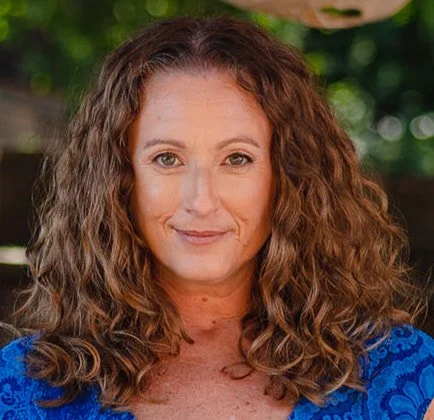
Podcast Guest:
Amanda Reiman, PhD MSW, Founder of Personal Plants
Amanda Reiman, PhD MSW is the founder of Personal Plants, an education platform focused on helping people develop healthy, balanced relationships with cannabis. Personal Plants includes a collection of articles relating to cannabis use, harm reduction, and public health.
Dr. Reiman earned her PhD in Social Welfare from the University of California, Berkeley, and conducted one of the first research studies on medical cannabis patients and the use of cannabis as a substitute for alcohol and other drugs. She then taught courses on substance abuse, drug policy, and sexuality at Berkeley for 11 years. She recently published the textbook Harm Reduction Approaches to Working with Adolescents Who Use Substances with co-author Barry Lessin.
Get in touch with Dr. Reiman!
Book: Harm Reduction Approaches to Working with Adolescents Who Use Substances
Website: www.mypersonalplants.com
LinkedIn:https://www.linkedin.com/in/amanda-reiman-phd-msw
Facebook: https://www.instagram.com/dr.amandareiman/
Email: amandareiman44@gmail.com